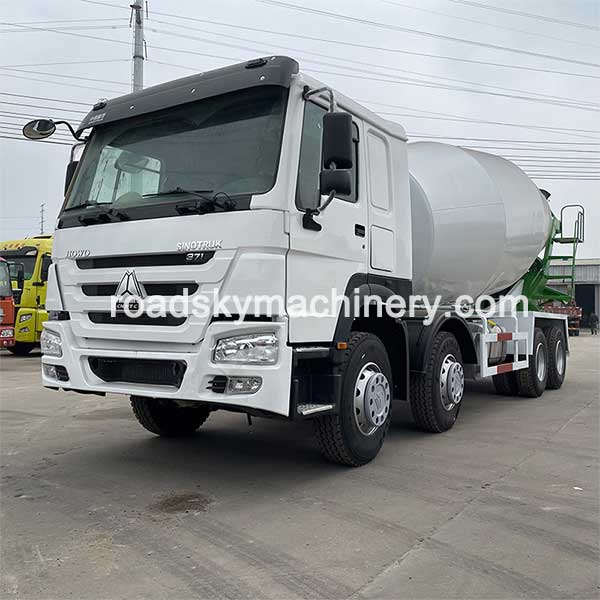
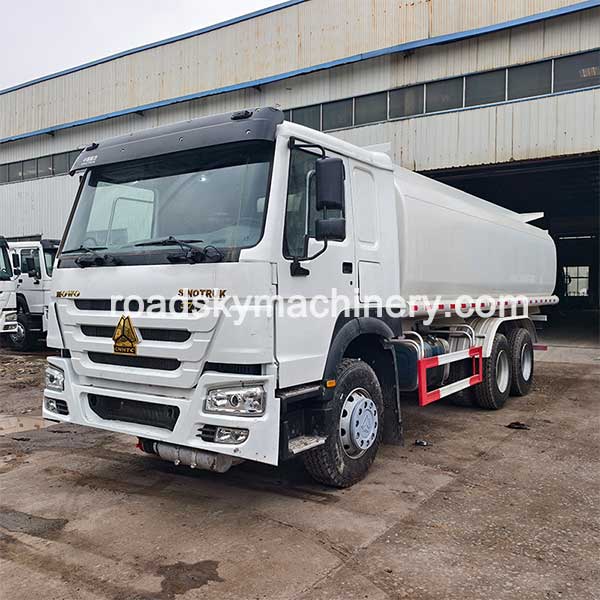
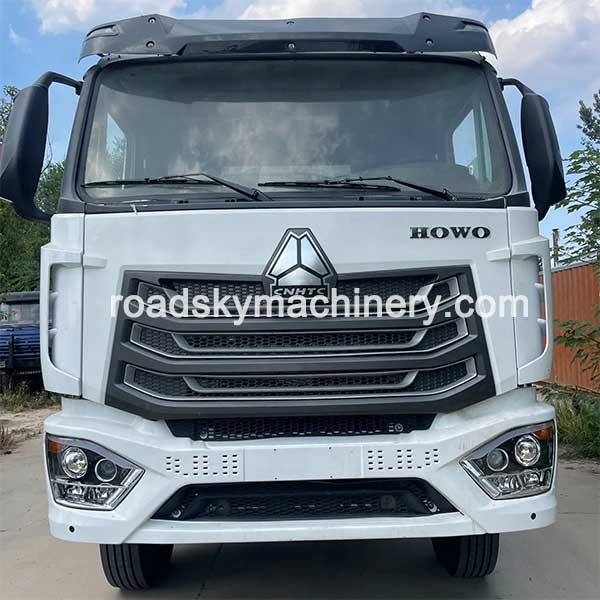
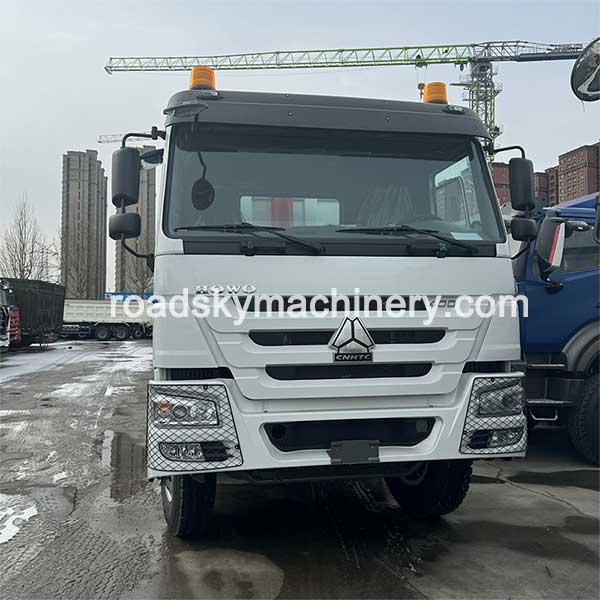
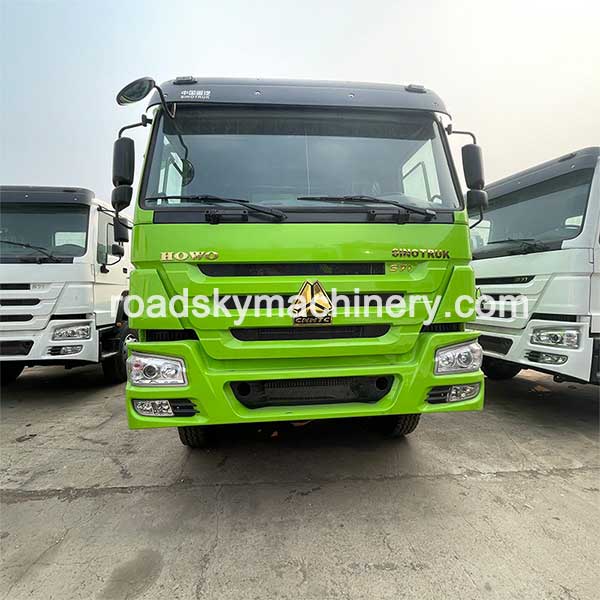

When buying a used dump truck, one of the first decisions you need to make is choosing between a 6×4 and an 8×4 configuration. Both are widely used in construction, mining, quarrying, road projects, and material transportation, but they are designed for different workloads.
Choosing the right configuration can affect payload capacity, fuel consumption, maneuverability, maintenance costs, and overall operating efficiency.
This guide explains the main differences between 6×4 vs 8×4 dump trucks and helps you decide which type is better for your project.
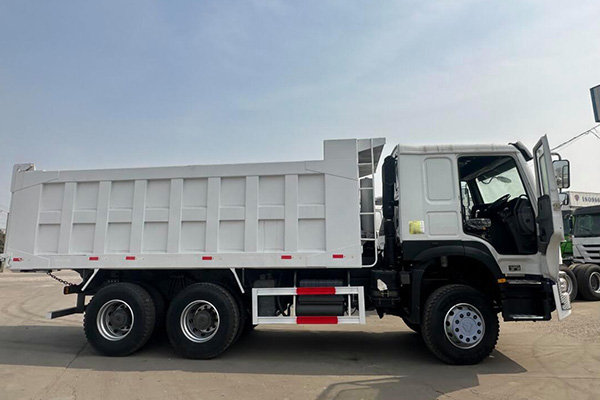
What Does 6×4 Mean on a Dump Truck?
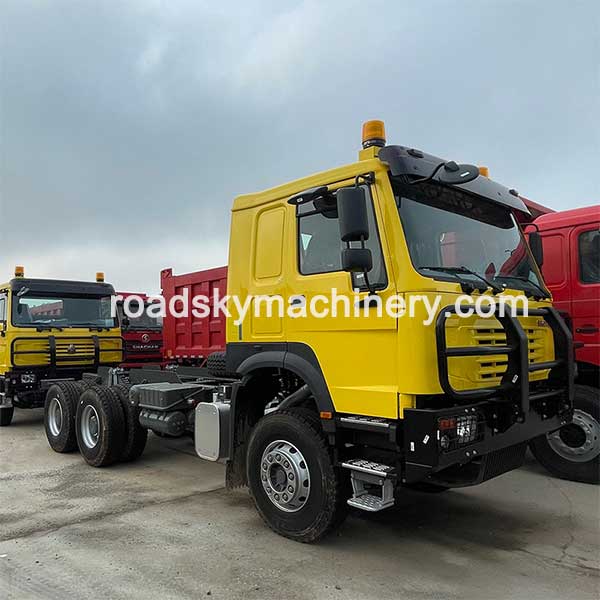
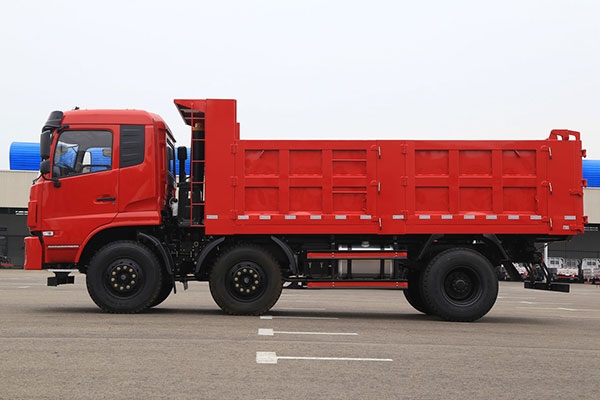
A 6×4 dump truck normally has three axles and six wheel positions, with power delivered to two rear axles.
This configuration offers a good balance between load capacity, traction, fuel efficiency, and maneuverability.
6×4 dump trucks are commonly used for:
- Sand and gravel transportation
- Construction materials
- Road construction
- Earthmoving projects
- Municipal engineering
- Short- and medium-distance hauling
Popular used 6×4 dump trucks include models from HOWO, Shacman, FAW, Dongfeng, Volvo, and other major manufacturers.
For many general construction projects, a 6×4 truck provides enough carrying capacity without the additional weight and operating cost of a larger truck.
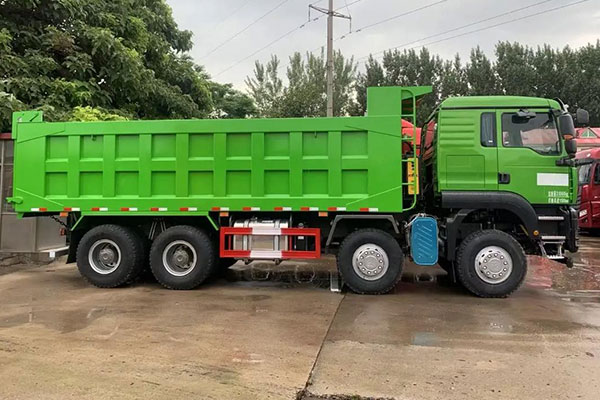
What Does 8×4 Mean on a Dump Truck?
An 8×4 dump truck normally has four axles, with two driven rear axles and additional front axle capacity.
Compared with a 6×4 model, an 8×4 truck is usually designed to carry heavier loads while distributing the weight across more axles.
It is commonly used for:
- Large construction projects
- Quarry transportation
- Mining operations
- Heavy earthmoving
- Bulk aggregate transportation
- Infrastructure projects
The additional axle makes an 8×4 dump truck suitable for applications where higher payload capacity is more important than maximum maneuverability.
6×4 vs 8×4 Dump Truck: Main Differences
Here is a simple comparison.
| Feature | 6×4 Dump Truck | 8×4 Dump Truck |
|---|---|---|
| Number of Axles | 3 | 4 |
| Typical Payload | Lower | Higher |
| Vehicle Weight | Lighter | Heavier |
| Fuel Consumption | Generally lower | Generally higher |
| Maneuverability | Better | Lower |
| Turning Radius | Smaller | Larger |
| Purchase Price | Usually lower | Usually higher |
| Best Application | General construction | Heavy-duty hauling |
Actual payload capacity depends on the truck model, body size, chassis specification, local regulations, and operating conditions.
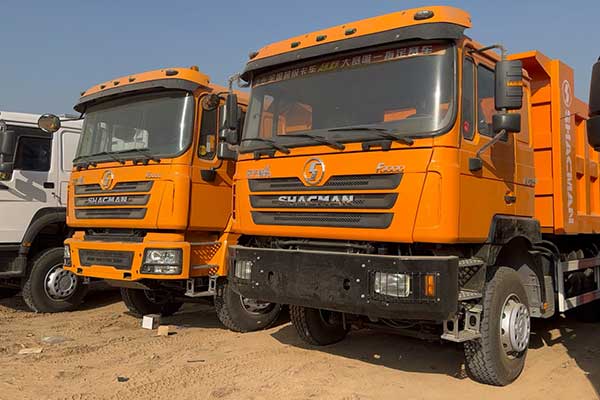
Key Factors to Consider When Choosing a 6×4 or 8×4 Dump Truck
Choosing between a 6×4 and 8×4 used dump truck is not only about payload capacity. You should also consider road conditions, fuel consumption, maintenance costs, loading efficiency, and local regulations. Here are the main factors to compare before making your decision.
1. Compare Payload Requirements
Payload is usually the biggest reason to choose between a 6×4 and an 8×4 dump truck.
If your project mainly involves carrying moderate loads of soil, sand, gravel, or construction materials, a 6×4 dump truck may be sufficient.
For heavier bulk transportation, an 8×4 dump truck offers greater load capacity because the additional axle helps distribute the vehicle weight.
However, a larger truck does not automatically mean better productivity.
You should consider:
- Material density
- Distance per trip
- Loading equipment capacity
- Road conditions
- Local axle-load regulations
The best truck is the one that matches your actual hauling requirements.
2. Consider Road and Jobsite Conditions
Jobsite conditions are another important factor.
6×4 Dump Trucks
A 6×4 truck is generally easier to maneuver in:
- Smaller construction sites
- Narrow access roads
- Urban projects
- Sites requiring frequent turning
- Short-distance transportation routes
Its shorter chassis can make it easier to operate where space is limited.
8×4 Dump Trucks
An 8×4 truck is often more suitable for:
- Large open construction sites
- Highway projects
- Quarries
- Mining areas
- Long hauling routes
If the working environment has enough space and high transportation demand, the increased payload can improve hauling efficiency.
3. Compare Fuel Consumption
Fuel costs can represent a significant part of dump truck operating expenses.
Because a 6×4 truck is generally lighter, it may consume less fuel under similar working conditions.
An 8×4 truck normally has:
- Higher vehicle weight
- Greater payload capacity
- More tires
- More chassis components
As a result, total fuel consumption can be higher.
However, fuel consumption should not be considered alone. If an 8×4 truck carries significantly more material per trip, the fuel cost per ton transported may still be competitive.
For high-volume projects, calculate transportation efficiency based on the amount of material moved rather than simply comparing fuel consumption per truck.
4. Check Maintenance Costs
When purchasing a used dump truck, maintenance condition is often more important than the age of the vehicle.
An 8×4 truck has additional wheels, suspension components, braking components, and axle-related parts compared with a 6×4 model. This can increase maintenance costs over time.
Before purchasing either configuration, inspect:
- Engine condition
- Transmission
- Drive axles
- Suspension
- Tires
- Braking system
- Hydraulic lifting system
- Dump body
- Chassis frame
Pay particular attention to cracks, welding repairs, oil leakage, uneven tire wear, and abnormal engine or transmission noises.
A well-maintained used 6×4 or 8×4 dump truck can often be a better purchase than a newer truck with a poor service history.
5. Consider Loading and Unloading Efficiency
Payload capacity should also match the equipment working with the dump truck.
For example, if a small excavator or wheel loader is loading the truck, an oversized 8×4 dump truck may take longer to fill. This can create unnecessary waiting time.
For large excavators, loaders, crushers, or quarry operations, the higher capacity of an 8×4 truck may provide better productivity.
Ideally, the dump truck and loading equipment should be matched so that loading cycles remain efficient.
6. Check Local Weight and Axle Regulations
Before buying a used dump truck for export, check the road regulations in the destination country.
Different countries may have different limits for:
- Gross vehicle weight
- Individual axle loads
- Vehicle dimensions
- Dump body dimensions
- Commercial truck registration
An 8×4 truck can carry more weight mechanically, but the legally permitted payload may still depend on local regulations.
This is especially important if the truck will frequently operate on public roads rather than only inside mines, quarries, or private construction sites.
Which Is Better: 6×4 or 8×4?
There is no single configuration that is best for every project.
Choose a 6×4 used dump truck if you need:
- Better maneuverability
- Lower initial investment
- Lower operating costs
- Moderate payload capacity
- General construction transportation
Choose an 8×4 used dump truck if you need:
- Higher payload capacity
- Heavy-duty material transportation
- Fewer trips for large volumes
- Better suitability for major infrastructure projects
- Quarry or mining transportation
For many contractors, a 6×4 truck offers a practical balance between price and performance. For projects where maximizing the amount transported per trip is the priority, an 8×4 truck can be the better choice.
What to Check When Buying a Used Dump Truck
Regardless of the axle configuration, always inspect the truck carefully before purchasing.
Ask the supplier for:
- Detailed truck photos
- Engine and chassis videos
- Working-condition videos
- Mileage information
- Manufacturing year
- Engine model
- Transmission specification
- Tire condition
- Dump body dimensions
- Maintenance information
A professional inspection can help identify potential mechanical problems before shipment and reduce unexpected repair costs after delivery.
Final Thoughts
Choosing between a 6×4 and 8×4 used dump truck mainly comes down to payload requirements, jobsite conditions, transportation distance, operating costs, and local regulations.
A 6×4 truck is usually more flexible and economical for general construction work, while an 8×4 truck is better suited to heavier loads and large-scale material transportation.
Roadsky supplies used 6×4 and 8×4 dump trucks from China, including popular HOWO and Shacman models. We can provide equipment photos, working videos, inspection support, export documents, loading arrangements, and international shipping assistance.
If you are looking for a reliable used dump truck for your project, contact Roadsky for available models, specifications, and a quotation.