
A smooth asphalt surface is not created by paving alone. The roller used after the paver can determine whether the finished road is dense, even, durable, and free from visible marks.
For buyers of used equipment, the first question should not be, “Which brand is cheapest?” It should be: What kind of asphalt project will this roller actually work on?
A compact roller that performs well on a parking lot may not deliver enough productivity for a highway project. Likewise, a heavy machine with the wrong vibration settings can damage a thin asphalt layer instead of improving it.
This guide starts with the job site, then helps you choose the right used road roller.
Start With the Asphalt Job, Not the Machine
Think about the paving work your team completes most often.
| Your typical project | Usually the best starting point |
|---|---|
| Parking lots, sidewalks, patching, narrow lanes | Small double drum roller |
| Urban roads and medium paving projects | Medium double drum vibratory roller |
| Highways and large road projects | Large double drum roller, often paired with pneumatic tire roller |
| Base course, gravel, and soil preparation | Single drum vibratory roller |
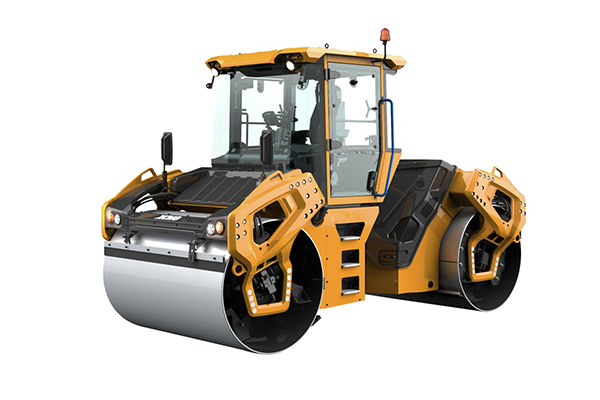
For final asphalt compaction, a smooth double drum vibratory roller is usually the most practical choice. It provides even pressure across the mat and is designed to create a consistent surface finish.
A single drum roller is valuable for base layers and earthwork, but it is generally not the first choice for final asphalt paving. Padfoot rollers should not be used on asphalt surfaces.
A Typical Parking-Lot Project Needs a Different Roller Than a Highway
Imagine a contractor paving a small commercial parking area. The access lanes are narrow, the machine must turn frequently, and transport costs matter. A compact double drum roller may be the sensible option. It is easier to move between projects, can work near curbs, and is less likely to be underused.
Now consider a road contractor paving several kilometers of urban roadway each week. Productivity becomes more important. A wider, heavier roller can cover more ground in fewer passes and help the paving crew maintain pace with the asphalt paver.
For major road or highway construction, contractors may use more than one roller in sequence:
- A vibratory double drum roller for breakdown compaction
- A pneumatic tire roller for intermediate compaction and sealing
- A static or low-amplitude roller for the final finish
The right purchase is therefore linked to the role the machine plays in the compaction process—not simply its weight or brand name.
Double Drum or Pneumatic Tire: Which One Should You Buy First?
If you are buying only one used machine for asphalt work, a double drum roller is usually the safer first investment.
Its two smooth steel drums make it suitable for the most common paving tasks. Look for a machine with reliable vibration, a working water spray system, and drum widths that match your normal job sites.
A pneumatic tire roller is different. Instead of vibrating steel drums, it uses rubber tires to create a kneading effect. This can help close surface voids and improve density, especially on larger asphalt jobs. However, it is often used alongside—not instead of—a double drum roller.
For a company expanding into asphalt paving, the usual order is:
- First machine: used double drum vibratory roller
- Second machine: pneumatic tire roller, when project volume justifies it
- Separate need: single drum roller for base and subgrade work
The Specifications That Matter on the Job Site
A sales brochure may list dozens of specifications. For asphalt compaction, focus on the features that influence paving quality and daily productivity.
Drum Width
Drum width affects how much asphalt you can compact in one pass. Wider drums increase productivity on open roads, while narrower drums are easier to control near curbs, drainage structures, and restricted urban sites.
Choose a drum width that matches the roads you pave most frequently—not just the largest future project you hope to win.
Operating Weight
More weight increases static compaction force, but a heavier roller is not automatically the right roller. Thin asphalt layers can be damaged if the machine is too aggressive, while thick layers may need more compaction energy.
The best approach is to match machine weight with your normal asphalt thickness, mix design, and paving scale.
Vibration Frequency and Amplitude
Vibration is what allows a roller to compact asphalt efficiently. Frequency refers to how often the drum vibrates; amplitude refers to how strongly it moves.
For thinner asphalt layers and finishing passes, lower amplitude is generally more appropriate. High amplitude can be useful for heavier compaction work, but it must be used carefully to avoid surface damage.
A used roller should have vibration that engages quickly, runs consistently, and does not produce unusual noise from the drums.
Water Spray System
The water system may look like a minor feature until it stops working during paving. Water prevents hot asphalt from sticking to the drums. If the nozzles are blocked, the pump is weak, or the spray bar is damaged, the roller can leave marks and pick up asphalt from the surface.
Always test the tank, pump, hoses, filters, nozzles, and spray coverage before purchase.
What a Good Used Road Roller Looks Like
A used roller does not need to look new. It needs to show signs of correct maintenance and reliable operation.
When inspecting a machine, focus on the areas that cannot be judged from fresh paint alone.
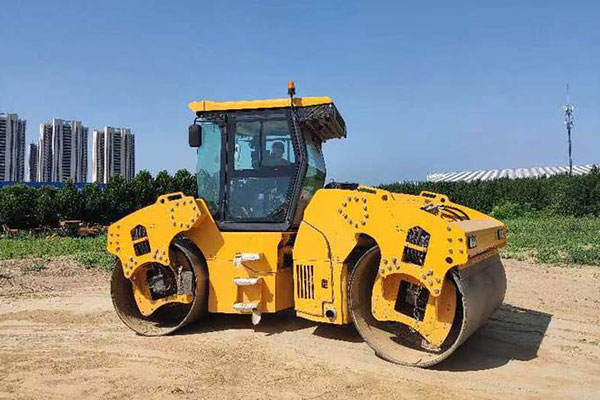
Stand in front of the roller and look closely at the drums. Their surfaces should be smooth, without deep dents, major corrosion, cracks, or obvious welding repairs. Damaged drums can leave unwanted marks on finished asphalt.
Then watch the machine work. Ask the seller to start it cold, drive it forward and reverse, turn the steering fully, activate vibration, and operate the water spray system. The video should show the dashboard and hour meter as well as the actual machine movement.
Listen for abnormal sounds from the drum bearings, vibration system, engine, and travel motors. Check for oil leaks around hydraulic hoses, drum motors, and axle areas.
A machine that looks clean but cannot provide a complete operating video deserves extra caution.
Three Price Questions to Ask Before You Negotiate
When comparing used road rollers, avoid asking only, “What is your lowest price?”
Ask these three questions instead:
1. What condition is included in the quoted price?
Confirm whether the machine has been serviced, whether the water system works, whether the drums are in good condition, and whether repairs have been completed.
2. What will I need to spend after delivery?
Calculate likely costs for tires on pneumatic rollers, hydraulic hoses, filters, drum repairs, transport, import duty, local delivery, and operator training.
3. Will this machine be easy to support locally?
A lower-priced roller can become expensive if spare parts, service technicians, or commonly replaced components are difficult to find in your region.
The lowest advertised price is rarely the same as the lowest operating cost.
Before You Request a Quote
Prepare a short description of your project:
- Typical paving application
- Required roller type
- Preferred brand or acceptable alternatives
- Desired operating weight or drum width
- Machine year range
- Destination country and port
- Whether you need shipping support
This gives the supplier enough information to recommend a machine that fits the work, rather than sending a random inventory list.
Make the Roller Part of the Paving Plan
A used road roller is a productive investment when it matches the asphalt work already in your pipeline. Choose the machine based on your project size, asphalt layer, paving width, and compaction process. Then inspect its drums, vibration, water spray, engine, and travel performance before committing to purchase.
Roadsky offers used road rollers for asphalt paving, road construction, and compaction projects. Share your project requirements to receive suitable machine options, real operating videos, and a shipping quotation.