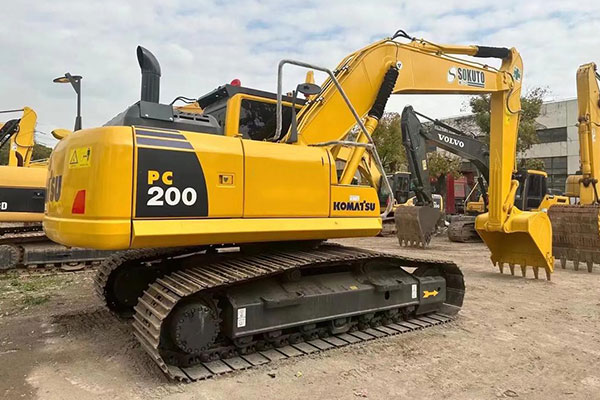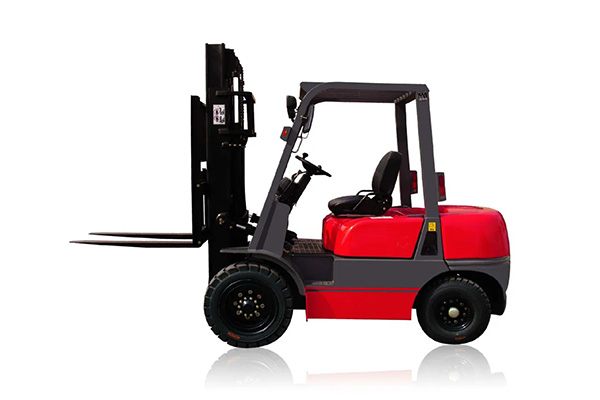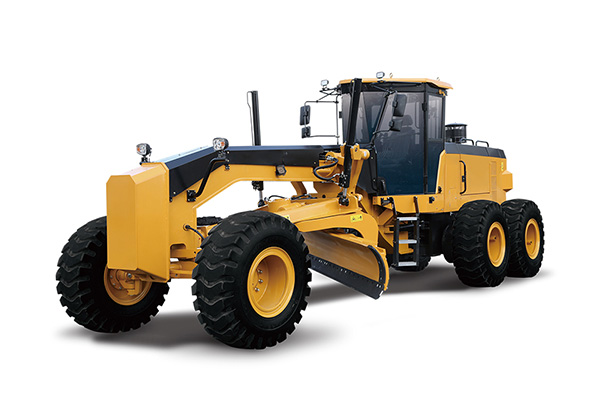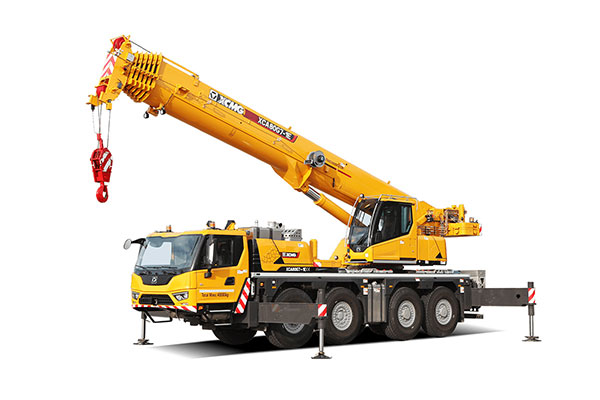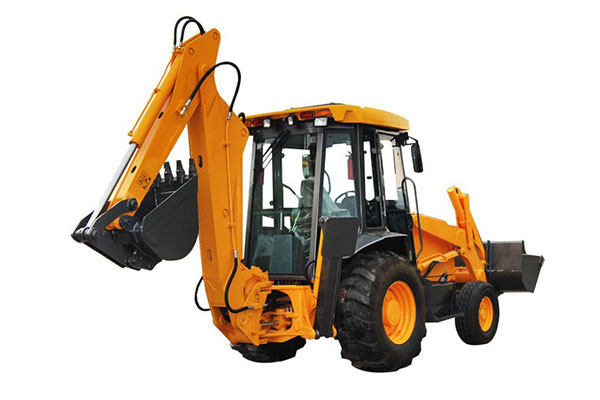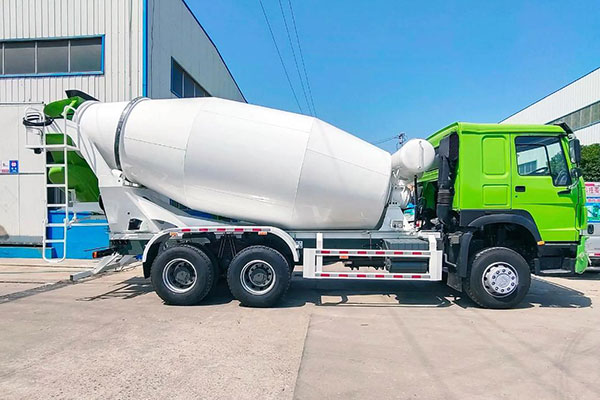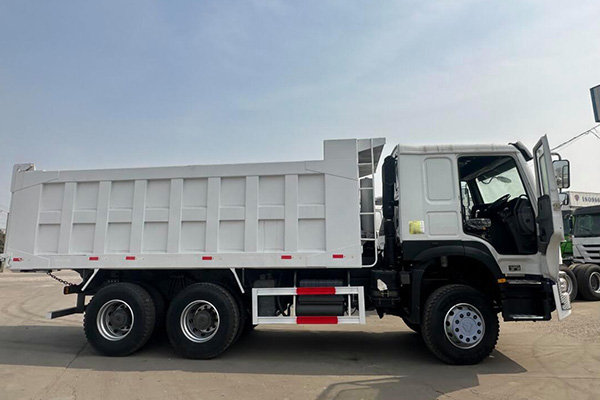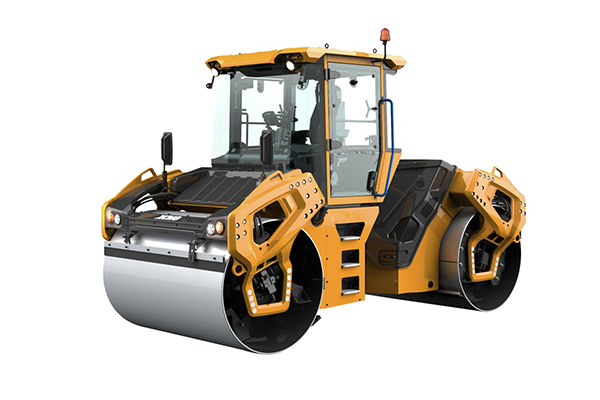

When buying used construction equipment from overseas, shipping terms can have a major impact on the total cost and responsibilities of the transaction. Two of the most common terms you will see are FOB and CIF.
Whether you are importing a used excavator, wheel loader, bulldozer, road roller, or other heavy equipment from China, understanding FOB vs CIF can help you choose the right shipping option and avoid unexpected costs.

What Does FOB Mean?
FOB stands for Free on Board.
Under FOB terms, the seller is generally responsible for delivering the used construction equipment to the agreed port of shipment, completing export customs procedures, and loading the equipment onto the vessel.
Once the equipment is loaded on board, the buyer takes responsibility for the main ocean freight, insurance, destination charges, customs clearance, and inland transportation.
For example, if the quotation says:
FOB Shanghai: USD 35,000
The price normally covers the equipment and the seller’s costs up to loading it onto the vessel at Shanghai Port.
Buyer Responsibilities Under FOB
The buyer normally arranges and pays for:
- Ocean freight
- Cargo insurance
- Destination port charges
- Import customs clearance
- Import duties and taxes
- Inland transportation from the port
FOB is often suitable for buyers who already work with a freight forwarder or have experience importing heavy machinery.

What Does CIF Mean?
CIF stands for Cost, Insurance and Freight.
Under CIF terms, the seller arranges and pays for transportation of the equipment to the named destination port, including the main ocean freight and the required level of cargo insurance under the agreed CIF terms.
For example:
CIF Mombasa: USD 39,500
Means the quoted price includes the equipment, export arrangements, ocean freight, and insurance to Mombasa Port.
However, CIF does not usually mean that all costs are covered until the machine reaches your jobsite.
The buyer still normally needs to handle costs at the destination, including customs clearance, duties, port charges, and local transportation.
FOB vs CIF for Used Construction Equipment
| Item | FOB | CIF |
|---|---|---|
| Equipment price | Included | Included |
| Export customs clearance | Seller | Seller |
| Loading at export port | Seller | Seller |
| Ocean freight | Buyer | Seller |
| Marine insurance | Buyer | Seller |
| Import customs clearance | Buyer | Buyer |
| Import duties and taxes | Buyer | Buyer |
| Destination port charges | Buyer | Buyer |
| Local delivery | Buyer | Buyer |
The main difference is therefore who arranges and pays for the international sea freight and insurance.
Example: FOB vs CIF for a Used Excavator
Suppose you purchase a used excavator from China.
The supplier offers:
- FOB price: USD 32,000
- Ocean freight: USD 3,000
- Insurance: USD 200
If you choose FOB, you purchase the excavator for USD 32,000 and arrange the remaining shipping yourself.
Your estimated cost before destination charges would be:
USD 32,000 + USD 3,000 + USD 200 = USD 35,200
Alternatively, the supplier may quote approximately:
CIF destination port: USD 35,200
In this case, the supplier arranges the sea freight and insurance.
The total may look similar, but the main difference is who controls the shipping process.
Advantages of FOB
FOB can provide more control over international transportation.
It may be a good choice when you:
- Have your own freight forwarder
- Import construction machinery regularly
- Can negotiate competitive shipping rates
- Want more control over vessel schedules
- Prefer to select your own insurance provider
Experienced machinery importers often prefer FOB because they can manage freight directly.
Advantages of CIF
CIF can simplify the purchasing process, especially for buyers who do not regularly arrange international shipping.
It may be suitable when you:
- Are importing used machinery for the first time
- Do not have a freight forwarder
- Want the supplier to arrange ocean transportation
- Prefer one quotation covering equipment and freight
- Want a simpler shipping process
For many overseas buyers, CIF makes it easier to estimate the cost of getting the machine to their nearest major seaport.
Is CIF the Total Landed Cost?
No. One common misunderstanding is that a CIF quotation represents the complete cost of importing the equipment.
In most cases, buyers will still need to pay additional destination expenses such as:
- Port handling charges
- Customs clearance fees
- Import duties
- VAT or other local taxes
- Inspection fees where applicable
- Storage or demurrage charges
- Transportation from the port to the final location
For this reason, buyers should calculate the total landed cost, rather than comparing FOB and CIF prices alone.
FOB or CIF: Which Is Better?
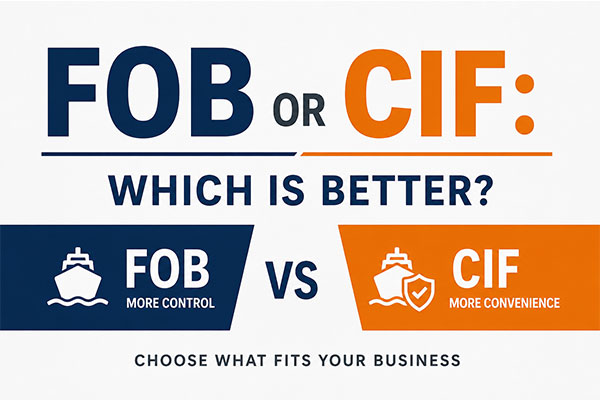
Neither option is automatically better. The right choice depends on your importing experience and logistics resources.
Choose FOB if you already have a reliable freight forwarder and want greater control over shipping costs and arrangements.
Choose CIF if you prefer the machinery supplier to arrange the main sea freight and insurance to your destination port.
For first-time buyers, CIF can be more convenient. For experienced importers handling multiple equipment shipments, FOB may provide greater flexibility.
What Should You Confirm Before Shipping Used Equipment?
Before placing an order, make sure the quotation clearly states:
1. Exact Incoterm
Confirm whether the price is FOB, CIF, or another shipping term.
The named port should also be clearly stated.
For example:
- FOB Shanghai
- FOB Qingdao
- CIF Mombasa
- CIF Lagos
- CIF Jebel Ali
2. Shipping Method
Used construction equipment may be transported by:
- Container shipping
- Flat rack container
- Roll-on/Roll-off (RoRo)
- Breakbulk vessel
The best method depends on the machine’s dimensions, weight, destination, and shipping availability.
3. Destination Charges
Ask your freight forwarder or customs broker about destination port charges before shipment.
These costs can vary significantly between countries and ports.
4. Import Duties and Taxes
Import taxes depend on the destination country’s regulations and the type of machinery being imported.
Check local customs requirements before purchasing.
5. Equipment Dimensions and Weight
Accurate dimensions and operating weight are important when calculating freight costs.
For large equipment such as excavators, bulldozers, motor graders, and loaders, shipping costs can vary considerably depending on machine size.
Tips for Comparing Used Equipment Shipping Quotations
When comparing quotations from different suppliers, do not look only at the machine price.
Compare the same shipping terms whenever possible.
For example, comparing an FOB USD 30,000 quotation with a CIF USD 34,000 quotation does not immediately tell you which supplier is cheaper.
You should calculate:
Equipment Price + International Freight + Insurance + Destination Charges + Duties + Local Transportation
This provides a much clearer picture of the actual import cost.
Conclusion
FOB and CIF are both commonly used when importing used construction equipment.
FOB gives buyers more control over freight arrangements, while CIF allows the seller to arrange the main ocean transportation and insurance to the destination port.
Before choosing either option, confirm the shipping port, freight method, destination charges, customs requirements, and total landed cost. A clear understanding of these costs can make importing used excavators, loaders, rollers, graders, and other construction machinery much easier and more predictable.
Looking for reliable used construction equipment from China? Roadsky can provide inspected machines, export support, and flexible FOB or CIF shipping options. Contact us today for available equipment and a quotation.