
Buying a used wheel loader can be a practical way to increase productivity without the high cost of a new machine. However, the lowest purchase price does not always mean the best value. A poorly maintained loader may require expensive repairs, cause job-site downtime, and quickly erase the savings of buying used.
This guide explains how to choose the right used wheel loader, what to inspect before purchase, and which factors affect its price.
If you are looking for available machines, browse our used wheel loaders.
1. Choose the Right Wheel Loader for Your Work
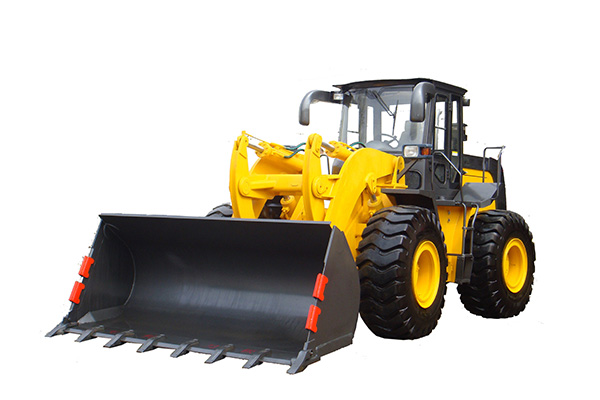
Before comparing brands or prices, define how the machine will be used. Wheel loaders are commonly used for material handling, quarry work, road construction, mining, agriculture, ports, and recycling.
Consider these points:
- Material type: soil, sand, gravel, coal, rock, or scrap
- Required bucket capacity
- Operating weight and loading height
- Job-site space and ground conditions
- Daily working hours
- Attachments required, such as forks, quick couplers, or larger buckets
- Parts and service availability in your country
A loader that is too small may reduce productivity, while an oversized machine can increase fuel, transport, and maintenance costs.
2. What Affects Used Wheel Loader Prices?
Used wheel loader prices vary significantly. Instead of comparing only the advertised price, assess the machine’s overall condition and expected ownership cost.
Machine Age and Operating Hours
Newer machines and loaders with fewer operating hours generally cost more. However, operating hours should never be judged alone. A well-maintained high-hour loader can be a better purchase than a low-hour machine with poor maintenance history.
Ask the seller to provide:
- Year of manufacture
- Hour-meter photo or video
- Service and repair records
- Details of any engine, transmission, or hydraulic overhaul
- Previous working environment
Brand and Model
Well-known brands such as Caterpillar, Komatsu, Volvo, XCMG, SDLG, LiuGong, and Hyundai may offer stronger resale value and easier access to spare parts. The best choice depends on local dealer support and your project requirements.
Engine, Transmission, and Hydraulic Condition
The engine, transmission, axles, and hydraulic system are among the most expensive components to repair. A machine with a lower initial price may be costly if these systems need major work soon after delivery.
Tires and Attachments
Tire replacement is a substantial expense. Inspect tire wear, sidewall damage, cuts, and matching tire condition across all wheels. Also confirm whether the quoted price includes the bucket, forks, quick coupler, or other attachments.
Shipping and Import Costs
For international buyers, the total cost includes more than the machine price. Budget for inland transport, loading, ocean freight, insurance, customs duties, local taxes, and destination handling fees.
3. Used Wheel Loader Inspection Checklist
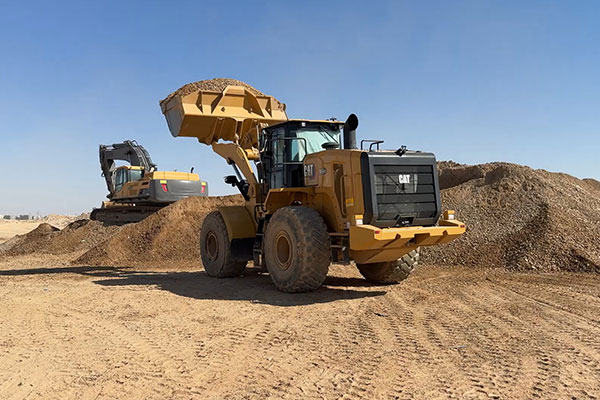
A professional inspection should be completed before payment. If you cannot visit the machine in person, request detailed photos, a cold-start video, an operating video, and third-party inspection support.
Check the Overall Structure
Walk around the machine and inspect:
- Cracks, heavy rust, or poor welding repairs
- Damage to the frame, loader arms, and bucket
- Excessive play in pivot pins and bushings
- Signs of oil leakage around cylinders and hoses
- Condition of steps, handrails, lights, and counterweight
Fresh paint can improve appearance, but it should not hide structural damage or leakage.
Inspect the Engine
Start the machine when the engine is cold if possible. Check for:
- Difficult starting
- Excessive black, blue, or white smoke
- Unusual knocking or vibration
- Oil, coolant, or fuel leaks
- Warning lights on the dashboard
- Abnormal engine temperature during operation
Ask whether the engine has been rebuilt and request records if major work has been completed.
Test the Hydraulic System
Hydraulic performance directly affects loading speed and machine productivity. During operation, check whether the boom and bucket move smoothly and respond quickly.
Pay attention to:
- Slow or weak lifting power
- Jerky boom or bucket movement
- Hydraulic oil leaks
- Noisy hydraulic pumps
- Cylinder rod damage or oil seepage
- Difficulty holding the boom or bucket position
Check the Transmission, Axles, and Articulation Joint
Drive the loader forward and reverse through all gears. The machine should shift smoothly without delay, slipping, strong impact, or abnormal noise.
Also inspect:
- Axle oil leaks
- Excessive noise during travel
- Steering response
- Play in the articulation joint
- Brake performance
- Differential lock operation, if equipped
Inspect Tires and Wheels
Tires have a major effect on purchase value and operating cost. Check:
- Remaining tread depth
- Cuts, bulges, or sidewall damage
- Uneven tire wear
- Tire brand and size consistency
- Rim damage or loose wheel nuts
If the tires are near the end of their service life, include replacement cost in your price negotiation.
4. Test the Wheel Loader Under Working Conditions
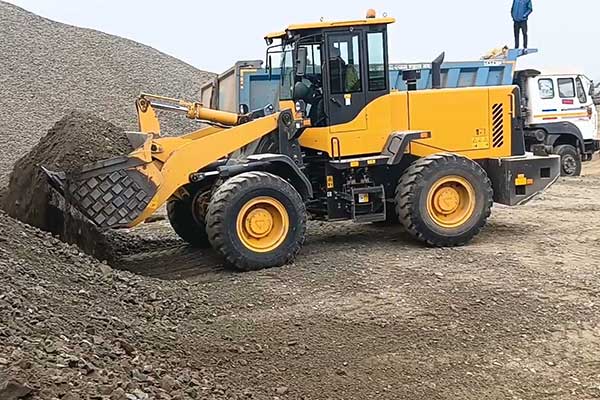
A parked machine can look good but still have mechanical problems. Whenever possible, test the loader under load.
During the test, confirm that it can:
- Start smoothly
- Travel forward and reverse normally
- Turn without abnormal noise
- Lift a loaded bucket smoothly
- Hold the boom and bucket position
- Shift gears without slipping
- Brake safely
- Operate without overheating
Request an uninterrupted video showing cold start, dashboard hour meter, driving, steering, bucket lifting, and hydraulic operation.
5. Calculate Total Ownership Cost, Not Just Purchase Price
Before making a decision, compare the expected total cost of each machine:
| Cost item | What to check |
|---|---|
| Purchase price | Machine condition, configuration, attachments |
| Repairs | Tires, pins, bushings, hoses, engine, transmission |
| Shipping | Inland transport, loading, sea freight, insurance |
| Import cost | Duty, taxes, customs clearance, port charges |
| Operation | Fuel use, operator familiarity, parts availability |
| Resale value | Brand reputation and local market demand |
The best used wheel loader is usually the one with reliable condition, suitable capacity, and predictable operating cost—not necessarily the cheapest one.
6. Buy From a Reliable Used Equipment Supplier
A reliable supplier should be willing to provide clear machine details before payment. Ask for:
- Real photos and videos of the actual machine
- Machine serial number
- Operating hours
- Inspection report
- Maintenance or repair information
- Export documents and shipping support
- Clear quotation terms
- Loading photos or videos before shipment
For overseas buyers, transparent communication and pre-shipment inspection are especially important.
Conclusion
A used wheel loader can deliver excellent value when it is selected carefully. Focus on machine condition, inspection results, maintenance history, tire wear, hydraulic performance, and total ownership cost—not only the advertised price.
Roadsky supplies inspected used wheel loaders for construction, mining, roadwork, agriculture, and material-handling projects. Contact us to request current availability, detailed machine photos, inspection videos, and a shipping quotation.