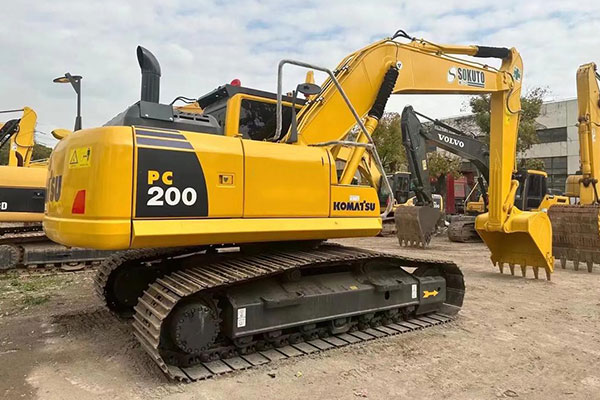

Importing a used excavator from China can be a smart way to reduce equipment costs, especially for contractors, equipment dealers, mining companies, farmers, and rental businesses. China has a large supply of second-hand excavators from brands such as Caterpillar, Komatsu, Hitachi, Doosan, Hyundai, Volvo, Kobelco, Sany, XCMG, and LiuGong.
However, buying used construction machinery overseas is not the same as buying locally. You need to verify the machine condition, confirm export documents, arrange shipping, calculate import duties, and make sure the excavator meets the rules of your destination country.
This guide explains how to import a used excavator from China step by step.
Why Buy a Used Excavator from China?
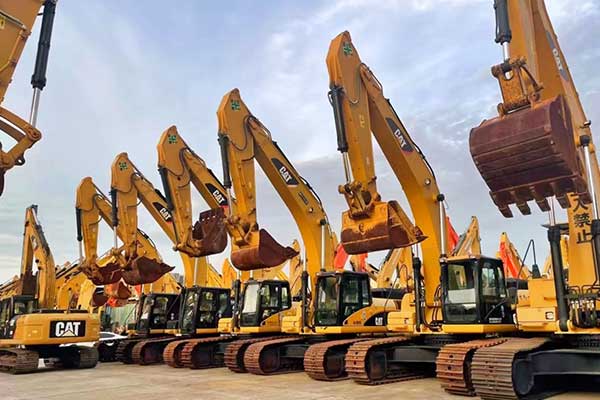
China is one of the world’s largest construction equipment markets. Because of the high number of machines in circulation, buyers can often find used excavators at competitive prices.
The main advantages include:
- Lower purchase price compared with new machines
- Wide selection of brands, sizes, and models
- Availability of mini, medium, and large excavators
- Access to both international and Chinese brands
That said, the biggest risk is condition uncertainty. Some machines are well maintained, while others may have hidden engine, hydraulic, undercarriage, or electrical problems. A proper inspection is essential.
Step 1: Choose the Right Excavator Model
Before contacting suppliers, decide exactly what type of excavator you need. This helps you avoid overpaying for a machine that does not match your work.
Consider:
- Operating weight: mini, small, medium, or large excavator
- Engine power and fuel consumption
- Digging depth and bucket capacity
- Brand and model availability in your country
- Spare parts availability
- Emission requirements in your destination market
- Working hours and year of manufacture
- Attachment needs, such as breaker, auger, grapple, or quick coupler
For example, a 3-ton mini excavator may be ideal for landscaping and farm work, while a 20-ton crawler excavator is better for road construction, earthmoving, and general contracting.
Step 2: Find a Reliable Chinese Supplier
You can buy used excavators from trading companies, equipment yards, online marketplaces, auctions, or direct dealers. The safest choice is usually a supplier that can provide inspection videos, export experience, original machine details, and clear payment terms.
When evaluating a supplier, ask for:
- Business license
- Yard location
- Export history
- Customer references
- Photos and videos from all angles
- Engine, hydraulic pump, control valve, boom, arm, bucket, and undercarriage details
- Maintenance records if available
- Warranty or after-sales support terms
- Export documents they can provide
Be cautious if the price is far below market value, the supplier refuses video inspection, or the machine plate and serial number are unclear.
Step 3: Inspect the Used Excavator
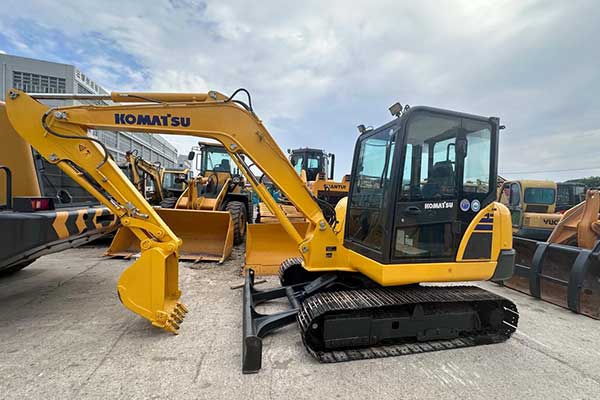
Inspection is the most important part of importing used construction equipment from China. If you cannot visit the supplier in person, hire a third-party inspection company or ask for a live video inspection.
Check these key areas:
- Engine start-up, smoke, oil leaks, abnormal noise, and power
- Hydraulic system response, leaks, pump pressure, and cylinder condition
- Swing motor and travel motor performance
- Undercarriage wear, including tracks, rollers, sprockets, and idlers
- Boom, arm, bucket, pins, bushings, and welding repairs
- Cabin, monitor, joystick, pedals, air conditioning, and wiring
- Machine hours and whether the hour meter appears genuine
- Serial number and nameplate
- Test operation under load
Ask the supplier to show a cold start video. A machine that starts easily only after warming up may have hidden engine issues.
Step 4: Confirm Import Rules in Your Country
Import regulations vary by country. Before paying a deposit, confirm whether your destination country allows the import of the specific used excavator model.
Step 5: Verify Machine Documents
Request all available documentation before payment.
Common documents include:
- Commercial Invoice
- Packing List
- Bill of Sale
- Export Declaration
- Bill of Lading
- Machine Serial Number
- CE Certificate (if required)
Ensure the serial number matches the identification plate on the excavator.
Step 6: Negotiate Price and Trade Terms
Used excavator prices depend on brand, model, year, hours, condition, attachments, and shipping method. When negotiating, clarify whether the price includes inland transport, loading, export documents, cleaning, and port charges.
Common trade terms include:
- EXW: Buyer handles nearly everything from the supplier’s yard.
- FOB: Supplier delivers the excavator to the Chinese port and handles export clearance.
- CIF: Supplier arranges sea freight and insurance to the destination port.
- DDP: Supplier offers delivery with duties included, but this requires extra caution because customs responsibility must be clear.
For most first-time buyers, FOB or CIF is easier than EXW. If using CIF, still compare freight quotes from your own forwarder to avoid inflated shipping costs.
Step 7: Arrange Shipping from China
Used excavators are usually shipped by container, flat rack, breakbulk, or roll-on/roll-off vessel, depending on size.
Small excavators may fit inside a standard container. Medium and large excavators often require flat rack or breakbulk shipping. In some cases, the boom, bucket, counterweight, or cabin may be removed to reduce shipping dimensions.
Major Chinese export ports include Shanghai, Qingdao, Tianjin, Ningbo, Guangzhou, Shenzhen, and Xiamen.
Before shipment, make sure the excavator is:
- Properly cleaned
- Drained or prepared according to shipping rules
- Secured correctly
- Photographed before loading
- Covered by marine insurance
- Matched exactly to the invoice and bill of lading details
Step 8: Complete Customs Clearance
When the excavator arrives at your destination port, your customs broker will file the import entry, pay duties and taxes, and coordinate release with customs and the port terminal.
You may need to pay:
- Import duty
- VAT, GST, or sales tax
- Harbor or port charges
- Customs broker fees
- Terminal handling charges
- Demurrage or storage if clearance is delayed
- Inland trucking from the port to your yard
To avoid delays, send all documents to your broker before the vessel arrives.
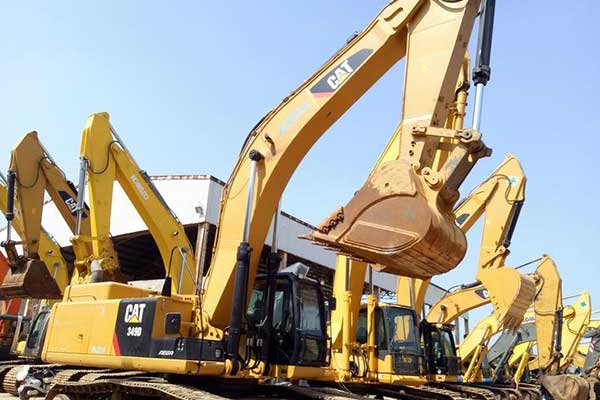
Step 9: Inspect the Machine After Arrival
Once the excavator is delivered, inspect it again before putting it into service or reselling it.
Check:
- Shipping damage
- Missing parts or attachments
- Engine and hydraulic performance
- Fluid levels
- Undercarriage condition
- Any parts removed for shipping
- Matching serial number and documents
If you plan to resell the machine, take new photos, record a fresh working video, and keep all import documents for future buyers.
Common Mistakes to Avoid
Many problems happen because buyers rush the process. Avoid these mistakes:
- Buying only based on photos
- Ignoring emissions and import rules
- Sending full payment before verification
- Not checking the serial number
- Underestimating shipping and port costs
- Choosing the cheapest supplier without inspection
- Forgetting marine insurance
- Using unclear trade terms
- Failing to hire a customs broker
Taking time to verify every detail can prevent costly problems later.
Tips for Buying Used Excavators from China
To maximize your investment:
- Compare quotations from multiple suppliers.
- Request high-resolution videos of the machine operating.
- Use third-party inspection services whenever possible.
- Verify export experience before placing an order.
- Ask for maintenance records.
- Confirm spare parts availability in your country.
- Purchase from companies that provide after-sales support.
Frequently Asked Questions
Yes. Many international buyers successfully import used excavators every year. Working with an experienced exporter and conducting thorough inspections greatly reduces risks.
Brands such as Caterpillar, Komatsu, Hitachi, and Volvo generally maintain strong resale value due to their reputation and global parts support.
Shipping time depends on the destination and shipping method. Ocean freight typically ranges from two to eight weeks.
Generally, lower operating hours indicate less wear. However, machine condition, maintenance history, and working environment are often more important than hours alone.
Most used excavators are sold “as-is.” However, some professional exporters offer limited warranties on major components or provide inspection reports and after-sales technical support.
Conclusion
Importing a used excavator from China can be profitable and practical when handled carefully. The key is to verify the supplier, inspect the machine, confirm import regulations, calculate total landed cost, and work with experienced freight and customs partners. With the right process, buying a used excavator from China can be a cost-effective way to expand your fleet or equipment business.
Looking for a reliable used excavator supplier in China? Roadsky helps global buyers source quality used excavators with transparent machine details, inspection support, export documents, and shipping assistance. Whether you need a mini excavator, crawler excavator, or heavy-duty construction machine, Roadsky can help you choose the right equipment for your budget and job site. Contact Roadsky today to get available used excavator models, prices, photos, videos, and a complete import solution.