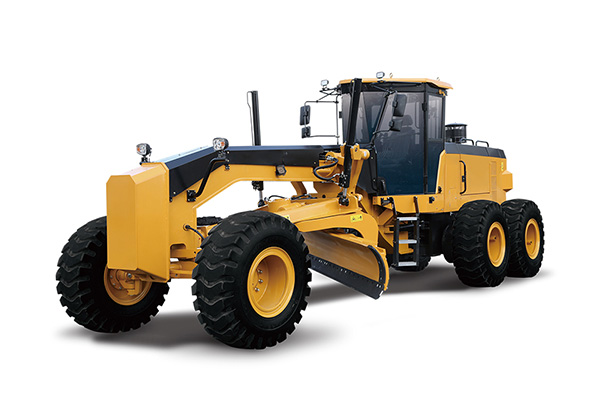
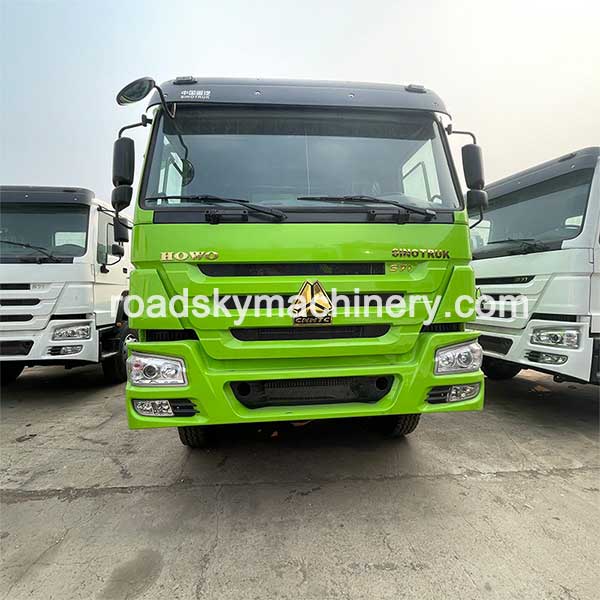

Purchasing a used motor grader is a practical way to reduce equipment costs while maintaining productivity on construction, mining, road maintenance, and land development projects. A well-maintained grader can deliver years of reliable service at a fraction of the price of a new machine.
However, buying a second-hand grader also comes with risks. Hidden mechanical issues, inaccurate operating hour records, and poor maintenance history can lead to expensive repairs and unexpected downtime.
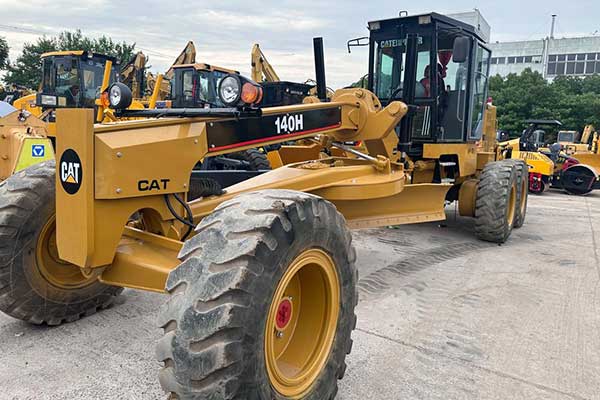
Why Buy a Used Motor Grader?
Many contractors and equipment rental companies choose used graders because they offer excellent value.
Key advantages include:
- Lower initial investment
- Faster return on investment
- Reduced depreciation
- Immediate availability
- Wide selection of models and sizes
- Lower insurance costs
For businesses expanding their fleet or starting new projects, purchasing a quality used grader often provides better financial flexibility.
Key Factors to Consider When Buying a Used Motor Grader
1. Identify Your Project Requirements
Before comparing machines, determine how the grader will be used. Consider the type of projects, required blade size, engine horsepower, operating weight, and jobsite conditions. Choosing a grader that matches your workload will improve efficiency while avoiding unnecessary operating costs.
2. Check the Operating Hours
Operating hours provide a general indication of machine usage, similar to mileage on a vehicle. While lower hours are usually preferred, a grader with higher hours and a consistent maintenance history can often be a better investment than a low-hour machine that has been poorly maintained.
3. Review the Maintenance History
A complete maintenance record demonstrates that the equipment has been serviced regularly. Look for documentation covering oil changes, filter replacements, hydraulic maintenance, transmission servicing, and major repairs. Machines with documented service histories generally present lower ownership risks.
4. Inspect the Engine Condition
The engine is one of the most expensive components to repair. Start the machine from cold if possible and check for excessive smoke, oil leaks, unusual noises, or difficult starting. A smooth-running engine usually indicates proper maintenance and careful operation.
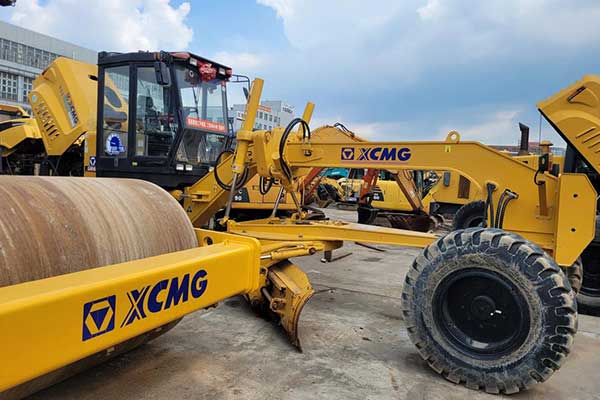
5. Examine the Hydraulic System
The hydraulic system controls the grader’s blade movements and overall working performance. Inspect hydraulic cylinders, hoses, pumps, and fittings for leaks or damage. Slow or uneven hydraulic response may indicate worn components that require costly repairs.
6. Inspect the Moldboard and Circle
The moldboard and circle assembly perform the grading work, making them essential inspection points. Check for excessive wear, cracks, loose components, or previous welding repairs. A well-maintained moldboard ensures better grading accuracy and longer service life.
7. Check the Machine Frame
Inspect the entire frame for cracks, bends, corrosion, or structural repairs. Pay close attention to high-stress areas around the articulation joint, as frame damage can affect the grader’s stability and overall performance.
8. Evaluate the Articulation Joint
The articulation joint allows the grader to maneuver efficiently on job sites. Excessive movement, worn pins, or damaged bushings may indicate significant wear that could lead to expensive rebuilding costs if left unaddressed.
9. Inspect the Tires
Tires represent a significant replacement expense for heavy equipment. Check for uneven tread wear, cuts, sidewall damage, and matching tire sizes. Uneven wear patterns may also suggest steering or suspension issues that require further inspection.
10. Test the Transmission
Operate the grader through all forward and reverse gears to ensure smooth shifting without hesitation or abnormal noises. Transmission repairs are often among the most expensive maintenance items, making this inspection particularly important.
11. Verify the Steering System
The steering system should respond accurately with minimal play. Inspect steering cylinders, hydraulic lines, and steering components for leaks or excessive wear. Reliable steering is essential for maintaining grading precision and operator safety.
12. Check the Electrical System
Inspect the battery, alternator, starter, lights, gauges, and control panel to ensure everything functions correctly. Electrical issues may indicate poor maintenance, aging wiring, or previous water damage that could cause future reliability problems.
13. Inspect the Operator Cab
A clean and functional cab contributes to operator comfort and productivity. Check the condition of the seat, controls, air conditioning, heating system, windows, and visibility. Excessive wear inside the cab may also reflect how the machine has been treated overall.
14. Perform a Complete Functional Test
Whenever possible, operate the grader under real working conditions. Test blade lifting, lowering, rotation, articulation, steering, braking, and travel speed. A complete operational test helps identify issues that may not be visible during a static inspection.
15. Consider Spare Parts Availability
Before purchasing an older grader model, ensure that replacement parts are readily available in your region. Easy access to spare parts will reduce future downtime and maintenance costs.
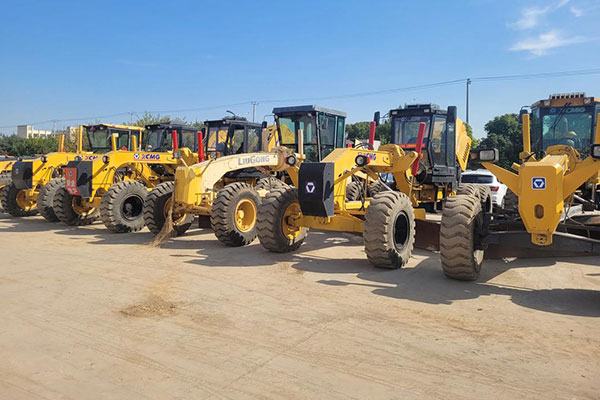
16. Compare Different Brands
Leading manufacturers include:
- Caterpillar
- Komatsu
- Volvo
- SANY
- XCMG
- LiuGong
Instead of focusing solely on brand reputation, compare:
- Condition
- Maintenance history
- Parts availability
- Purchase price
- Operating cost
A well-maintained grader from a less expensive brand may provide better value than a poorly maintained premium machine.
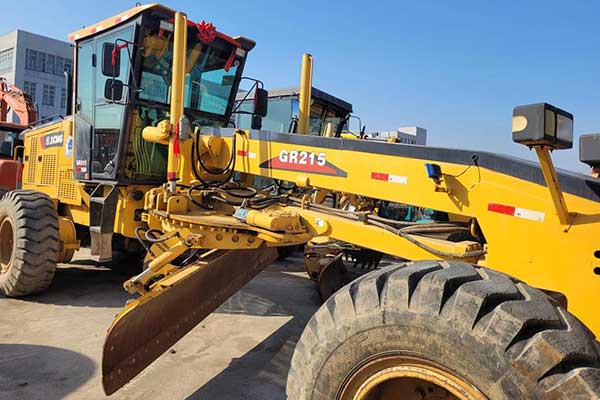
Budget Beyond the Purchase Price
The machine’s purchase price is only part of the total investment.
Additional costs may include:
- Transportation
- Import duties
- Insurance
- Initial maintenance
- Filters and fluids
- Spare parts
Calculate the total cost of ownership before making a decision.
Common Mistakes to Avoid
Many buyers make costly mistakes by:
- Buying based only on price
- Skipping machine inspections
- Not testing hydraulic functions
- Overlooking structural repairs
- Underestimating transportation costs
- Ignoring spare parts availability
Avoiding these mistakes can save thousands of dollars in future repair costs.
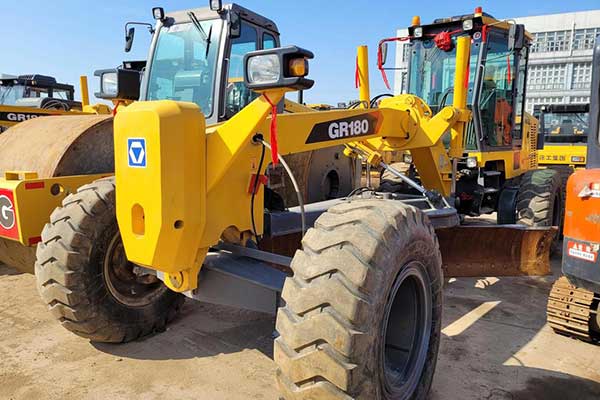
Used Motor Grader Inspection Checklist
Before purchasing, verify the following:
- Engine condition
- Operating hours
- Service records
- Hydraulic system
- Transmission
- Steering
- Moldboard wear
- Circle assembly
- Tires
- Frame condition
- Articulation joint
- Cab condition
- Electrical system
- Brake performance
- Test operation
- Parts availability
- Supplier reputation
Frequently Asked Questions
Yes. A well-maintained used motor grader can provide excellent performance while significantly reducing capital investment compared to purchasing a new machine.
There is no fixed limit. Machines with over 15,000 operating hours require more detailed inspections, but maintenance history is often a better indicator of overall condition.
The engine, hydraulic system, transmission, articulation joint, and moldboard assembly are the most critical and expensive components to repair.
Absolutely. If purchasing internationally or from an unfamiliar supplier, an independent inspection can help verify the machine’s condition and reduce purchasing risk.
Final Thoughts
Buying a used motor grader requires more than checking the price and operating hours. You should carefully inspect the engine, transmission, hydraulics, moldboard, tires, frame, and service history before making a decision.
A well-maintained used motor grader can deliver years of dependable service and strong value. Take your time, compare machines, ask for documentation, and get a professional inspection when needed. The right grader should match your workload, budget, and long-term business needs.