
Choosing the right size of used motor grader is important for both productivity and operating cost. A machine that is too small may struggle with heavy grading work, while an oversized grader can increase fuel consumption, transportation costs, and operating difficulty.
The right size depends on the type of project, road width, ground conditions, blade width, engine power, and required workload.
Common Motor Grader Sizes
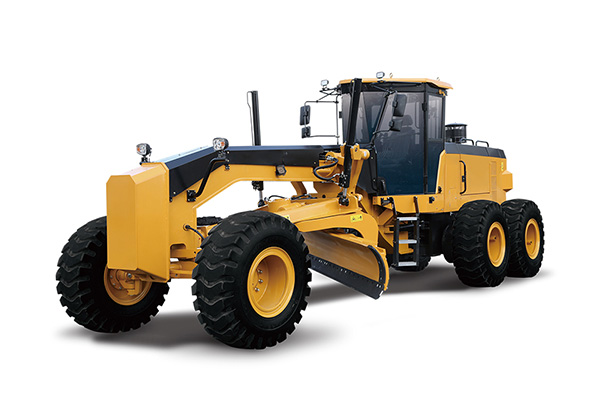
Motor graders can generally be divided into small, medium, and large models.
1. Small Motor Graders
Small motor graders usually have:
- Operating weight: about 7–12 tons
- Engine power: around 80–130 hp
- Blade width: approximately 2.5–3.7 meters
They are suitable for rural roads, farm roads, small construction sites, landscaping, and light road maintenance.
Their main advantage is maneuverability. They are easier to operate on narrow roads or jobsites with limited space.
2. Medium Motor Graders
Medium motor graders usually weigh around 12–18 tons and have engine power between 130 and 200 hp.
Typical applications include:
- Road construction
- Gravel road maintenance
- Municipal projects
- Site preparation
- Earthmoving work
- Road base leveling
For many contractors, this size provides a good balance between power, grading efficiency, fuel consumption, and transportation cost.
3. Large Motor Graders
Large graders normally weigh more than 18 tons and may have over 200 hp.
They are mainly used for:
- Mining roads
- Large highway projects
- Heavy earthmoving
- Airport construction
- Large infrastructure projects
These machines provide stronger traction and higher productivity, but they also require more fuel and may be more expensive to transport.
How to Choose the Right Used Motor Grader Size
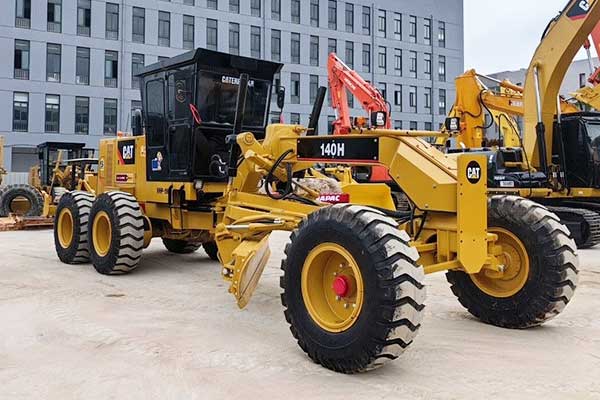
1. Consider the Type of Work
The first step is to identify the main application.
For rural roads and light maintenance, a smaller grader may be sufficient. For general road construction, medium-sized graders are usually more practical. Mining and large infrastructure projects may require heavier machines with more horsepower.
2. Check Road Width
Blade width affects how much surface the grader can cover in each pass.
A wider blade can improve efficiency on highways and large construction sites. However, a large grader may be difficult to operate on narrow roads or confined jobsites.
Choose a blade width that matches the typical working area.
3. Consider Ground Conditions
Different ground conditions require different levels of power and traction.
Loose gravel and soft soil can normally be handled by smaller graders. Hard-packed soil, compacted road base, or rocky surfaces may require a heavier machine with more horsepower.
If the project involves breaking compacted material, consider a grader equipped with a ripper or scarifier.
4. Compare Horsepower and Operating Weight
Horsepower is important, but it should not be considered alone.
A motor grader also needs enough operating weight to provide traction and stability. A heavier machine can usually apply more cutting force when working on hard surfaces.
For this reason, horsepower and machine weight should be compared together.
5. Consider Transportation Costs
Larger graders can be more difficult and expensive to transport.
Before purchasing, check:
- Machine weight
- Overall width
- Overall height
- Transport regulations
- Trailer requirements
- International shipping options
For overseas buyers, machine dimensions can have a direct impact on shipping costs.
Small vs. Medium vs. Large Motor Grader
| Motor Grader Size | Typical Weight | Engine Power | Recommended Applications |
|---|---|---|---|
| Small | 7–12 tons | 80–130 hp | Rural roads, farms, small sites |
| Medium | 12–18 tons | 130–200 hp | Road construction, maintenance |
| Large | 18+ tons | 200+ hp | Mining, highways, heavy projects |
These figures are general references. Actual specifications vary by brand and model.
What Size Motor Grader Is Best for Road Construction?
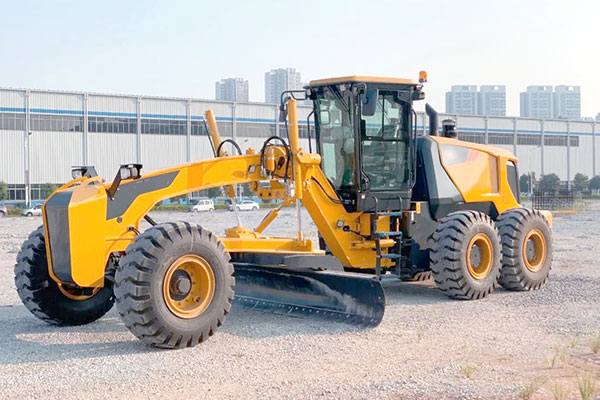
For most road construction and maintenance projects, a medium-sized used motor grader is often the most versatile option.
It normally provides enough power for road base leveling, gravel spreading, surface finishing, and general grading while remaining easier to operate and transport than a larger machine.
However, project conditions should always come first. Smaller machines may be more suitable for narrow rural roads, while large graders are more efficient for mining roads and major infrastructure projects.
Other Factors to Check When Buying a Used Motor Grader
Size is only one part of the buying decision. The condition of the machine is equally important.
Before purchasing a used motor grader, check:
- Engine condition
- Transmission
- Hydraulic system
- Steering and articulation
- Blade and circle system
- Tires
- Ripper or scarifier
- Operating hours
- Maintenance records
Pay particular attention to the blade circle, articulation system, and hydraulic components because these parts directly affect grading accuracy and operation.
Final Thoughts
The right used motor grader should match your road width, working conditions, and budget.
Before buying, compare blade width, engine power, operating weight, drive system, transport needs, and maintenance support. A well-chosen used motor grader can provide reliable performance for road construction, maintenance, and land-leveling projects.
Roadsky supplies used motor graders from Caterpillar, Komatsu, XCMG, SANY, and other well-known brands. Contact us for available models, machine specifications, working videos, and quotations.