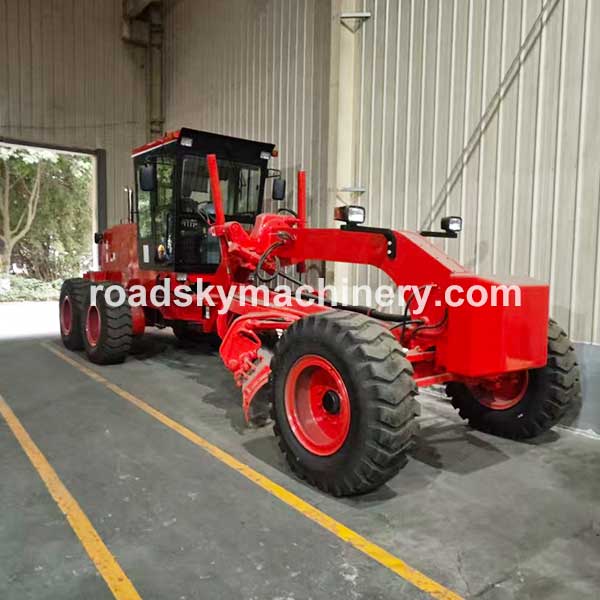
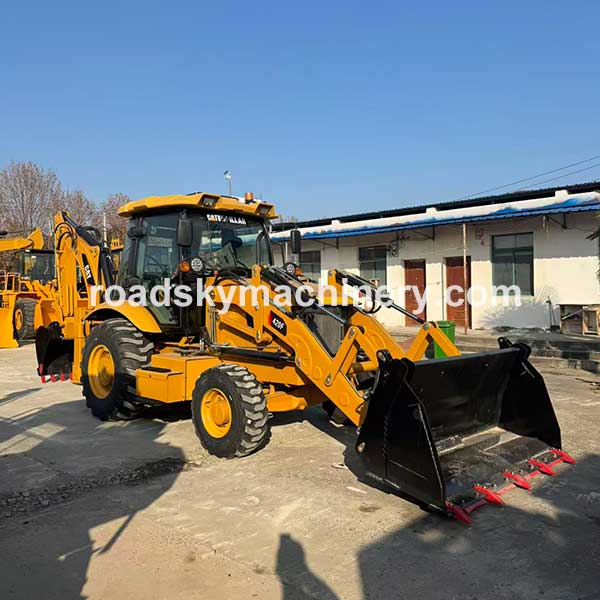
Purchasing a used loader can be a smart investment for construction companies, farms, and landscaping businesses. Loaders are versatile machines, capable of handling heavy materials, digging, and loading tasks efficiently. However, buying a used loader requires careful consideration to ensure you get a reliable machine at the right price. This used loader buying guide will walk you through everything you need to know.
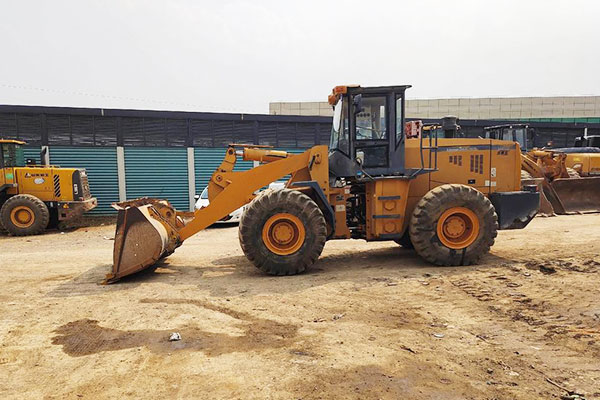
Why Buy a Used Loader?
Buying a used loader offers several advantages:
- Cost Savings: Used loaders are typically 30-50% cheaper than new models.
- Immediate Availability: Unlike new machines that may have long lead times, used loaders are often ready for immediate use.
- Depreciation Benefits: New equipment depreciates rapidly in the first few years. Buying used avoids the steepest depreciation curve.
- Variety of Options: The used market often has a wide range of models and sizes to choose from.
Key Considerations Before Buying a Used Loader
1. Determine Your Loader Requirements
Before you start looking, determine your exact needs:
- Loader Type: Wheel loaders, skid steer loaders, and compact loaders serve different purposes.
- Lifting Capacity: Match the loader’s bucket size and lift capacity to your workload.
- Engine Power: Ensure the engine meets your operational demands without overpaying for unnecessary power.
Knowing your requirements will narrow down options and prevent overspending on features you don’t need.
2. Inspect the Machine Thoroughly
A detailed inspection can save you from costly repairs later:
- Visual Inspection: Look for signs of wear, rust, leaks, or damage to hydraulic hoses.
- Engine and Transmission: Check for unusual noises, smoke, or oil leaks.
- Hydraulic System: Test all hydraulic functions to ensure smooth operation.
- Tires and Undercarriage: Assess wear levels and replacement costs.
- Controls and electronics: Ensure all gauges, lights, and functions work properly.
If you are unsure, consider hiring a professional mechanic to inspect the machine before purchase.
3. Check Service History
A well-maintained loader is likely to have a longer lifespan. Ask for:
- Maintenance records and repair history
- Hours of operation (hour meter reading)
- Any past accidents or major repairs
4. Understand Total Cost of Ownership
Consider more than the purchase price:
- Potential maintenance and repair costs
- Fuel efficiency
- Resale value
5. Buy from a Reliable Source
Choose reputable dealers or platforms specializing in used construction equipment. Avoid unknown sellers without proper documentation.
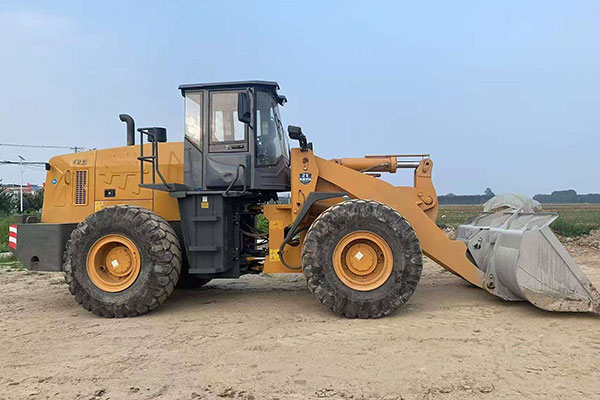
Used Loader Inspection Checklist
Here is a quick checklist before finalizing your purchase:
- Confirm machine hours
- Inspect engine and hydraulics
- Test drive under load
- Check tire condition
- Inspect bucket and linkage
- Verify maintenance records
- Confirm ownership documents
Common Mistakes to Avoid
- Focusing Only on Price: A cheaper loader might cost more in repairs.
- Ignoring the Hour Meter: High hours can indicate extensive wear.
- Skipping a Test Run: Always operate the loader to detect performance issues.
- Neglecting Documentation: Lack of service records can hide hidden problems.
Price Range of Used Loaders
The price depends on brand, capacity, and condition.
Approximate ranges:
- Small used loader (1–2 tons): $8,000–$20,000
- Medium wheel loader (3–5 tons): $20,000–$60,000
- Large loader (6+ tons): $60,000–$150,000+
Always compare multiple listings before deciding.
Tips for Negotiating the Best Deal
- Compare multiple listings to understand fair market value.
- Factor in upcoming maintenance costs in your offer.
- Ask for a warranty or post-sale support if possible.
- Be ready to walk away from deals that seem too good to be true.
Conclusion
Buying a used loader can save you significant money, but it requires careful research, inspection, and testing. By following this used loader buying guide, you can find a machine that meets your needs, operates reliably, and offers the best long-term value for your business.